

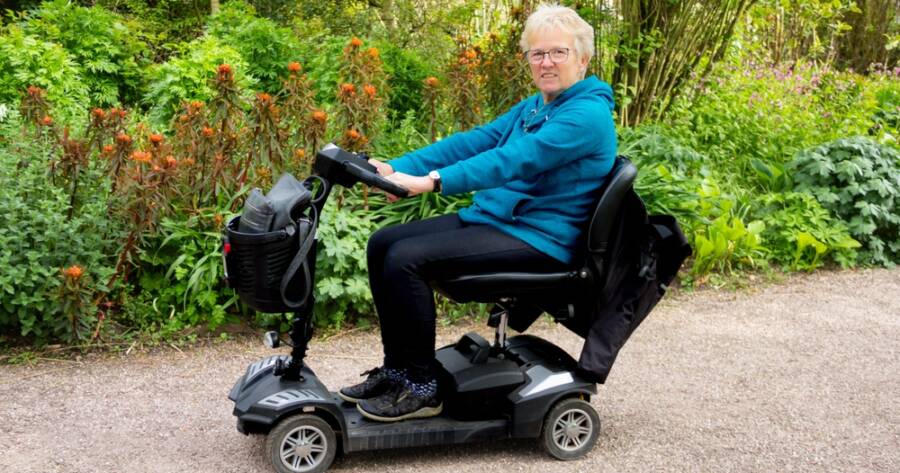
Medicare’s assistance for acquiring mobility scooters eases the financial strain for those requiring mobility aid. Coverage requires medical documentation and coordination between doctors and suppliers. Beyond Medicare, options like supplementary plans and nonprofits may provide additional support. Remaining informed about requirements and coverage changes ensures effective access to essential mobility resources.
Understanding Medicare Coverage for Mobility Scooters
For individuals in need of mobility assistance, Medicare coverage for mobility scooters can provide significant relief. Medicare Part B covers up to 80% of the cost for a mobility scooter if it is determined to be medically necessary.
The coverage process involves a face-to-face evaluation with a Medicare-enrolled physician who must document the necessity of a scooter due to mobility challenges experienced at home. Various conditions, such as severe arthritis, cardiopulmonary diseases, and neurological conditions like MS or Parkinson’s disease, could qualify one for this assistance.
Qualifying for Medicare’s Assistance
To access Medicare’s benefits for a mobility scooter, recipients must adhere to specific requirements. This includes obtaining a prescription from a primary care provider following a consultation. This consultation must occur no later than 45 days before the prescription is issued, underscoring the system’s demand for current clinical assessments of the beneficiary’s needs.
The Role of the DME Supplier
Once the medical necessity is documented, beneficiaries must purchase their mobility scooter through a Medicare-approved Durable Medical Equipment (DME) supplier. These suppliers are responsible for submitting the prior authorization request on behalf of the client to ensure compliance with Medicare’s requirements. Choosing the right DME supplier is crucial to avoid unnecessary out-of-pocket expenses and to ensure the scooter meets all Medicare criteria for coverage.
Cost Considerations and Financial Assistance
The financial obligations associated with purchasing a mobility scooter under Medicare can vary. Medicare typically covers 80% of the approved cost, leaving the individual responsible for the remaining 20%, alongside any Part B deductible.
Additional costs are influenced by factors such as location, facility type, and the scope of insurance coverage one might hold. Unfortunately, lightweight scooters like SmartScoot are often not covered, as they don’t meet Medicare’s medical device classification.
Navigating Medicare’s Coverage Process
Successfully navigating Medicare’s coverage provisions requires careful planning and diligent record-keeping. It is important to maintain open communication between the doctor, Medicare, and the DME supplier to ensure all paperwork is correctly filed and claims are processed efficiently.
Any denial from Medicare typically allows for resubmission, emphasizing the importance of complete and accurate initial submissions. Staying informed throughout the process can mitigate potential delays and unexpected costs.
Additional Support for Mobility Scooter Acquisition
Besides Medicare, there are other potential avenues for financial support. Those without comprehensive insurance coverage might explore supplementary plans, Medigap, or veteran benefits, which may help cover remaining costs.
Assistance programs, nonprofits, and even some Health Savings Accounts (HSAs) might provide additional financial aid, especially for low-income seniors. It is beneficial to regularly review these options, perhaps consulting with an insurance broker, as coverage details can shift annually.
Why You Should Learn More About Medicare Coverage for Mobility Scooters
Understanding how to leverage Medicare for mobility scooter acquisition can significantly reduce the financial burden of maintaining independence. As eligibility and processes can be complex, awareness of the requirements and potential supplementary options is crucial.
Keeping abreast of changes in coverage and exploring additional assistance avenues ensures that individuals receive the support they need in managing their mobility challenges. Staying informed empowers beneficiaries to make well-informed decisions about their health and mobility needs.